

The AI-Driven Vision of Robert Weitz, Cofounder of Fahrenheit Studio
Interview with Robert Weitz
Robert Weitz Bio
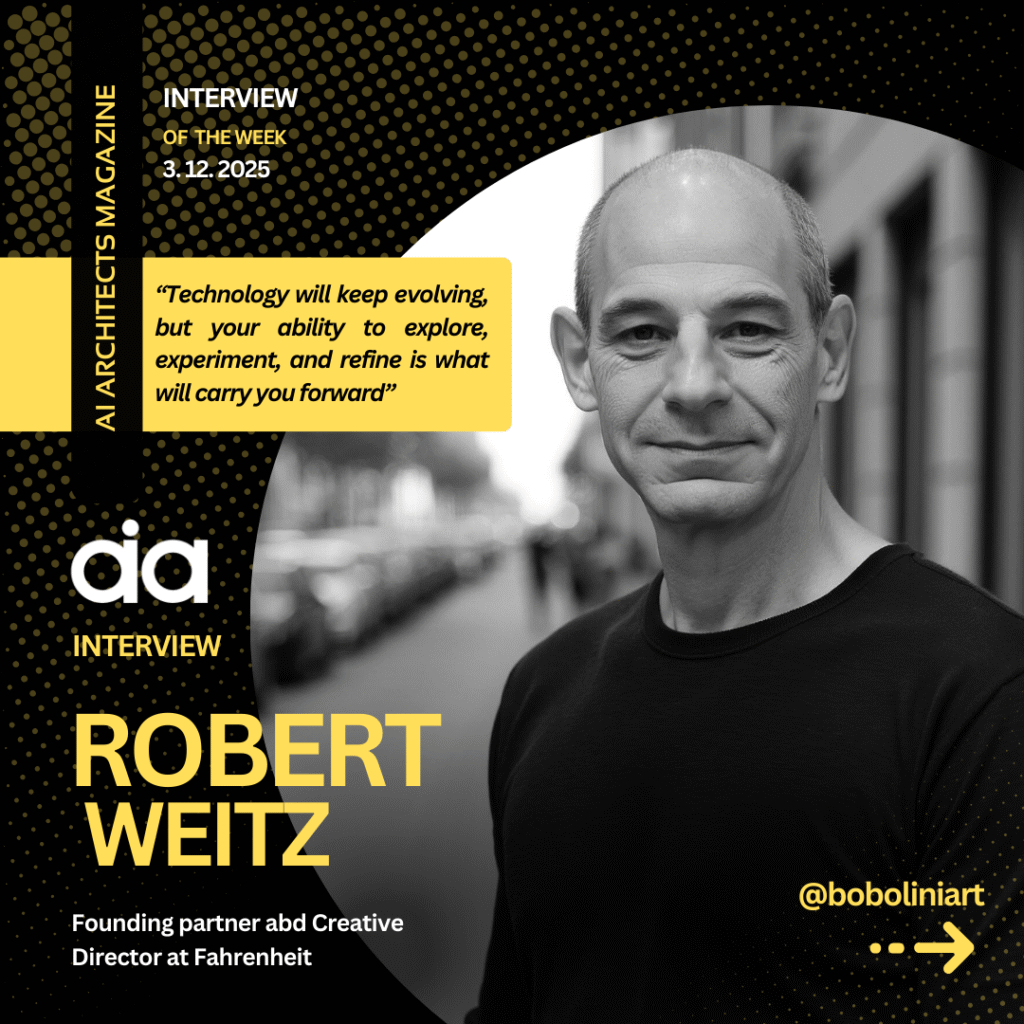
Robert Weitz is the cofounder of Fahrenheit Studio, an award-winning branding and design firm with three decades of creative innovation. Bridging his analog design roots with today’s digital frontiers, Robert uses AI to craft fully integrated brand experiences that express a company’s identity across every touchpoint—digital or physical. With an architectural sensibility and a storyteller’s vision, he transforms high-concept ideas into immersive environments that connect people to meaning, beauty, and purpose.
1. How do you integrate AI?
“At Fahrenheit, we’ve always believed a brand should live in both the digital and the physical. It’s something that unfolds across spaces, not just a visual mark. My background in architecture, paired with Dylan Tran’s painterly and digital design sensibilities, shaped that philosophy early on. For years, many of our immersive ideas were simply beyond reach without large teams. Generative AI changed that. It’s opened the door to pre-visualizing, simulating, and refining entire worlds that once existed only in sketches and imagination.”
2. Which of your recent projects involved AI, and how did you implement it?
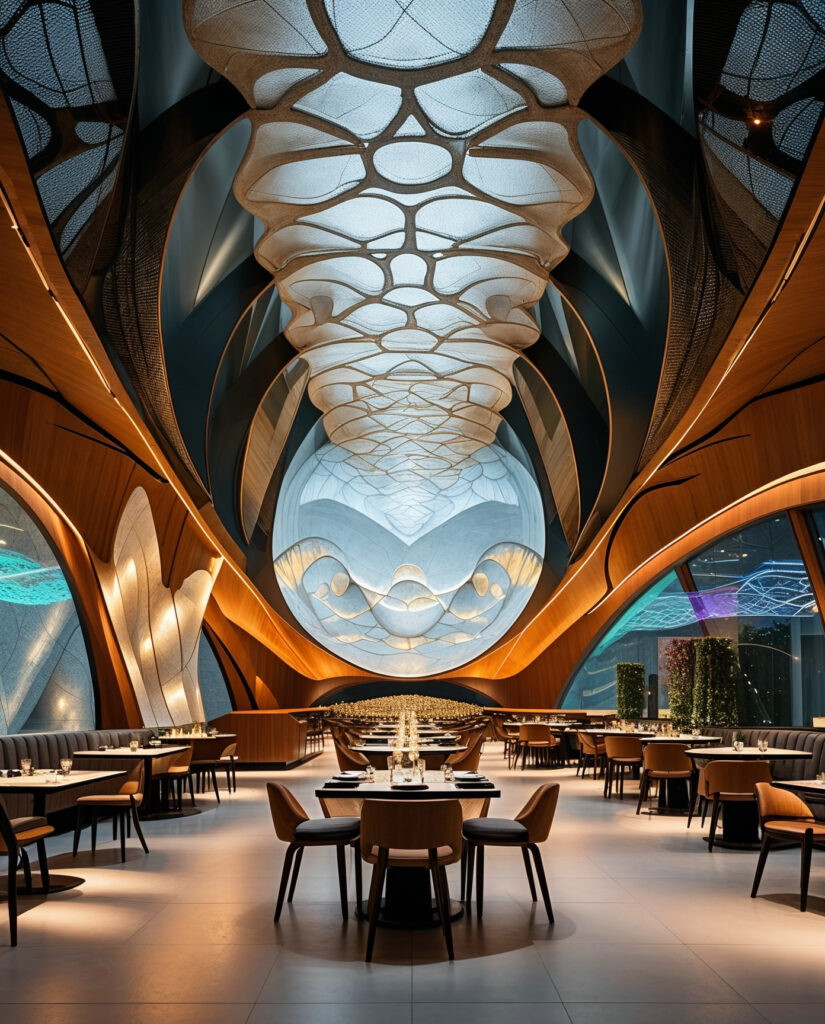
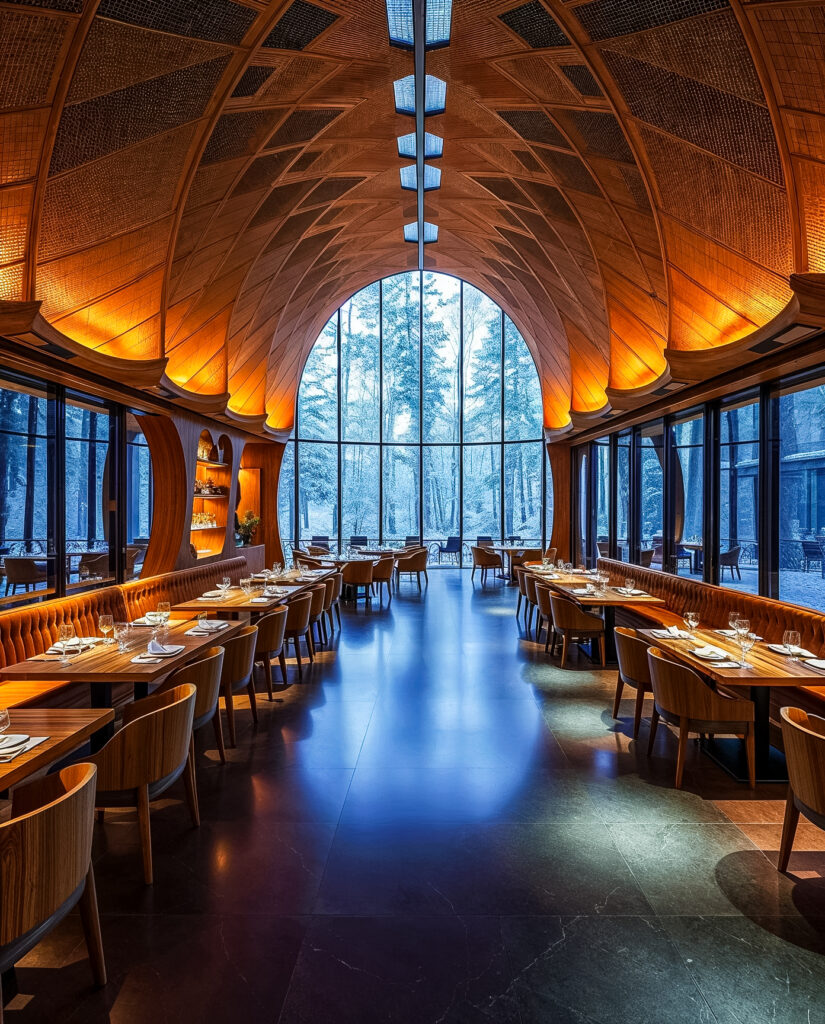
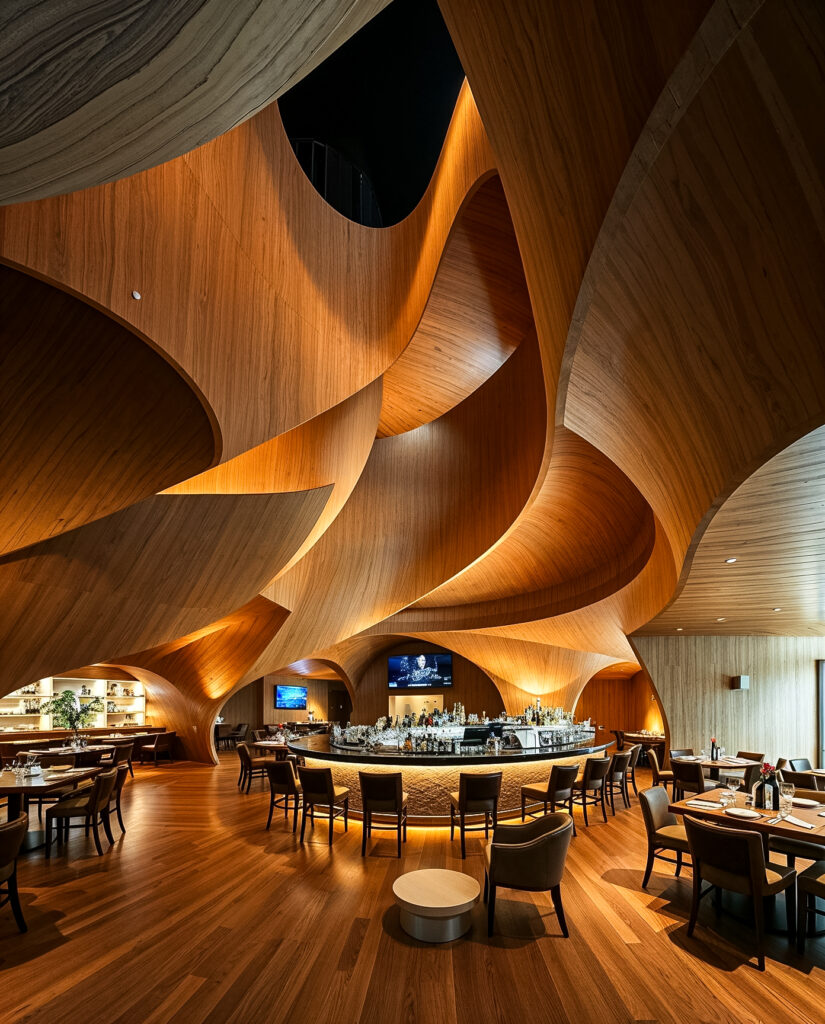
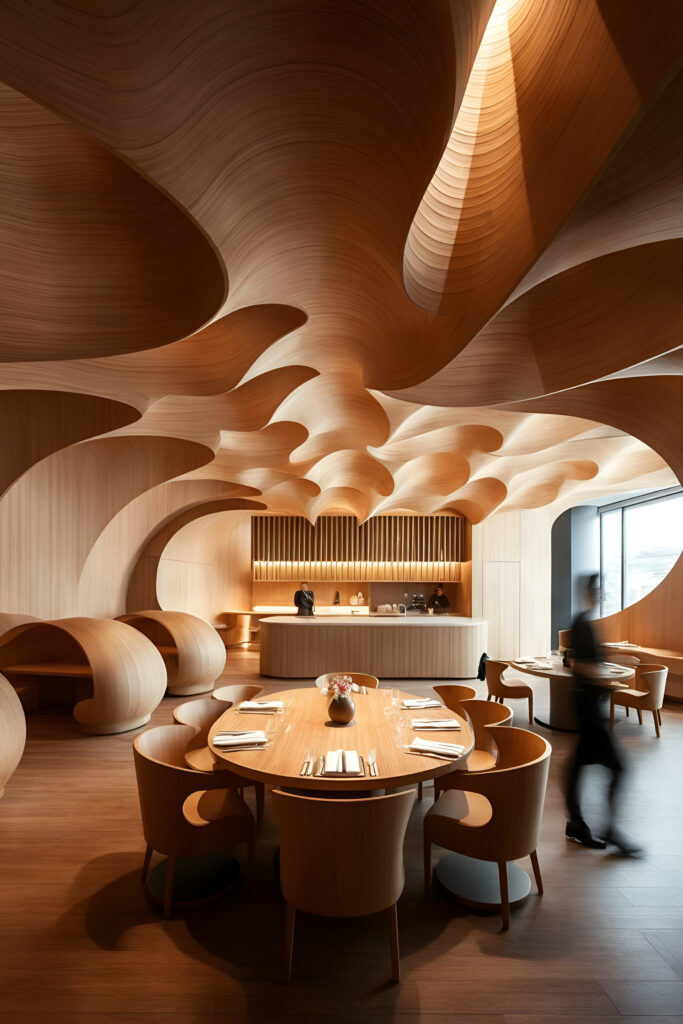
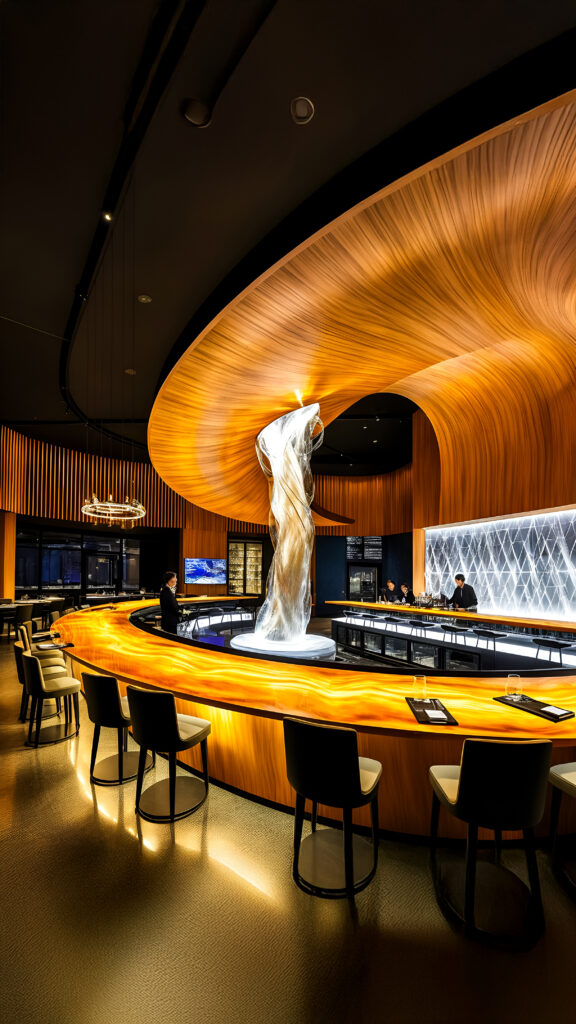
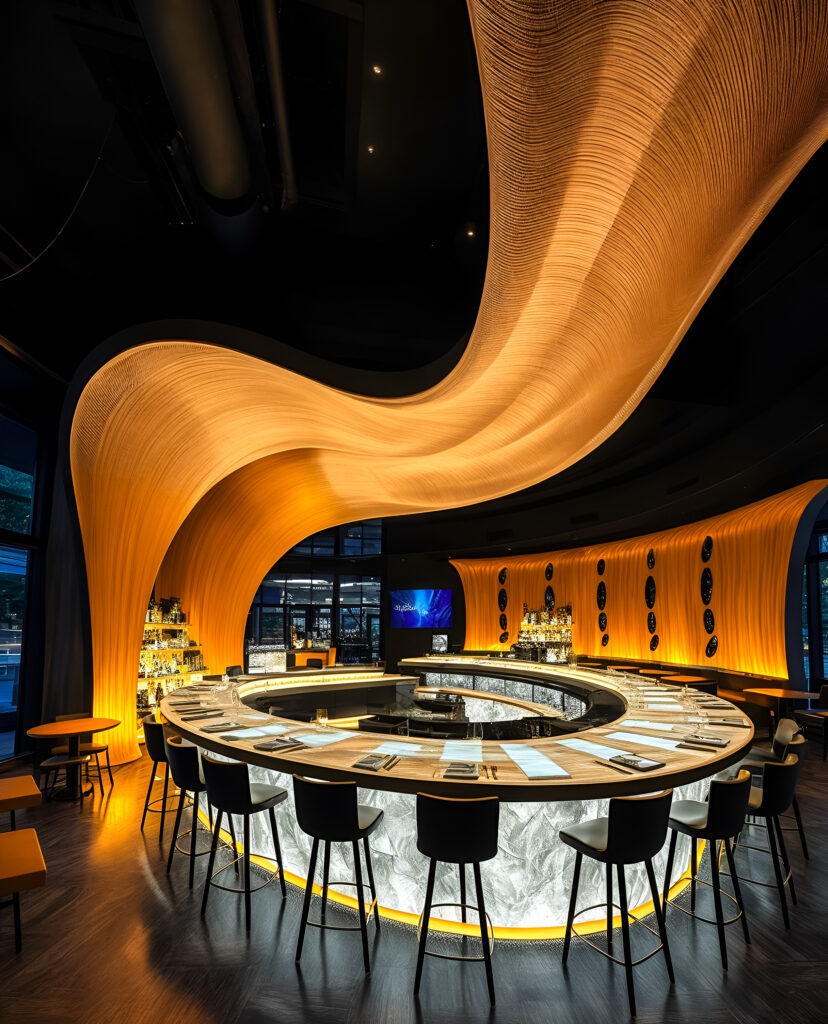
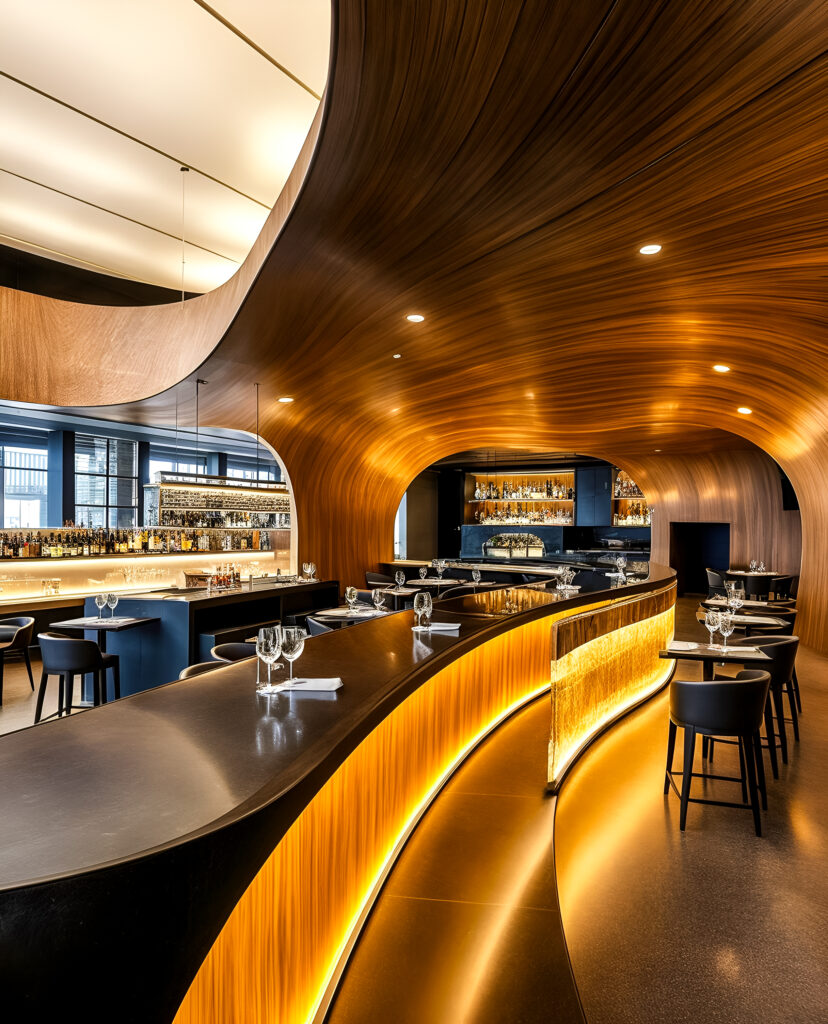
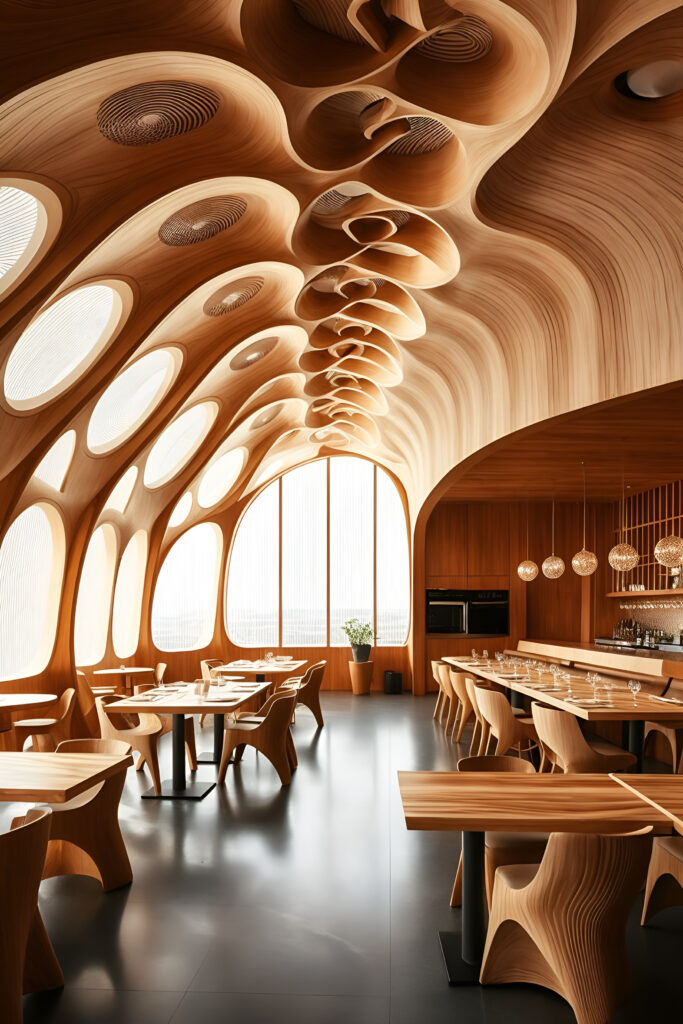
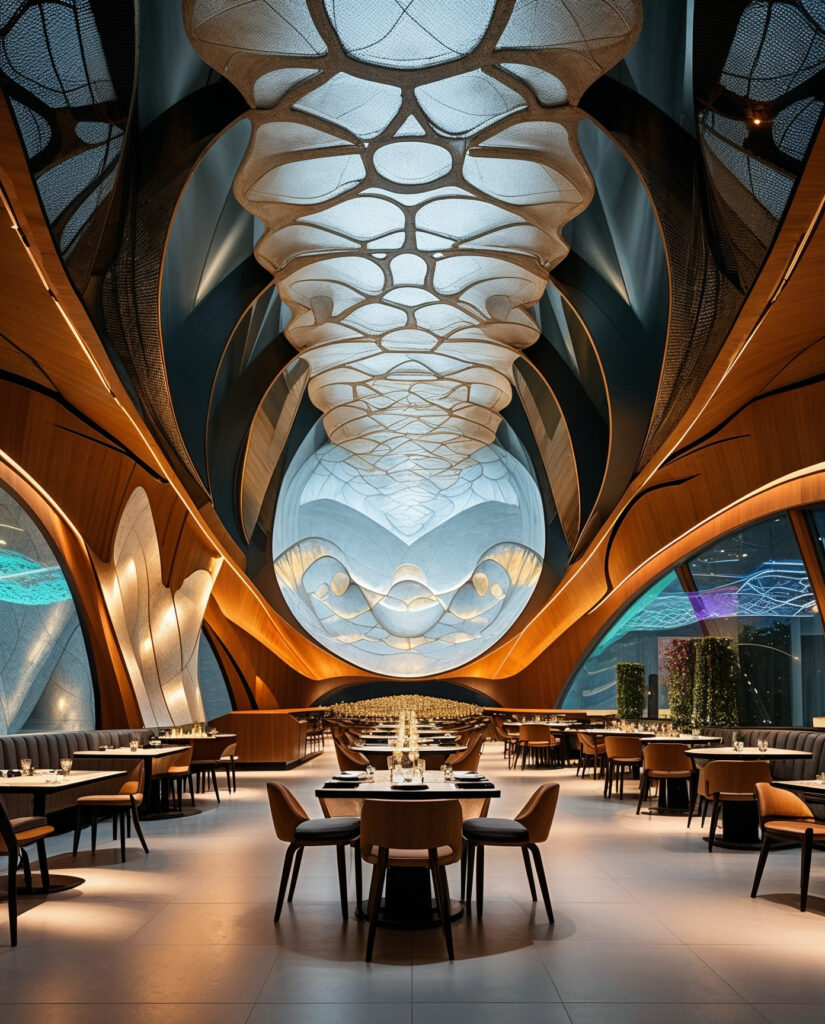
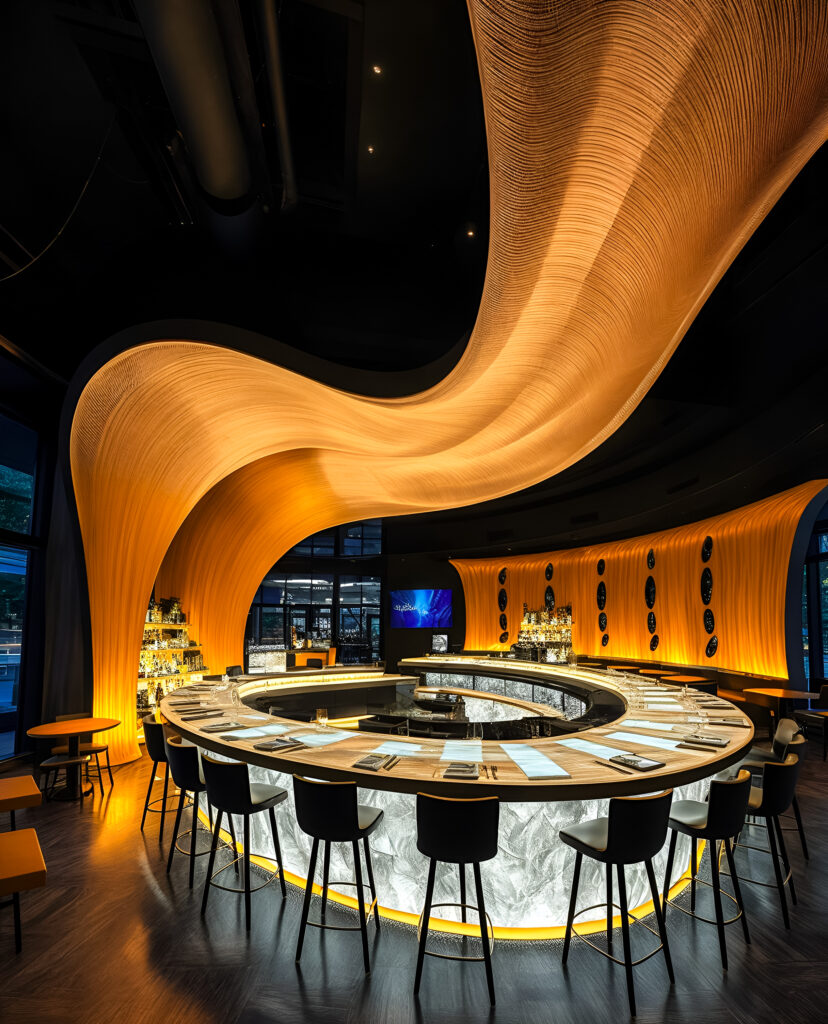
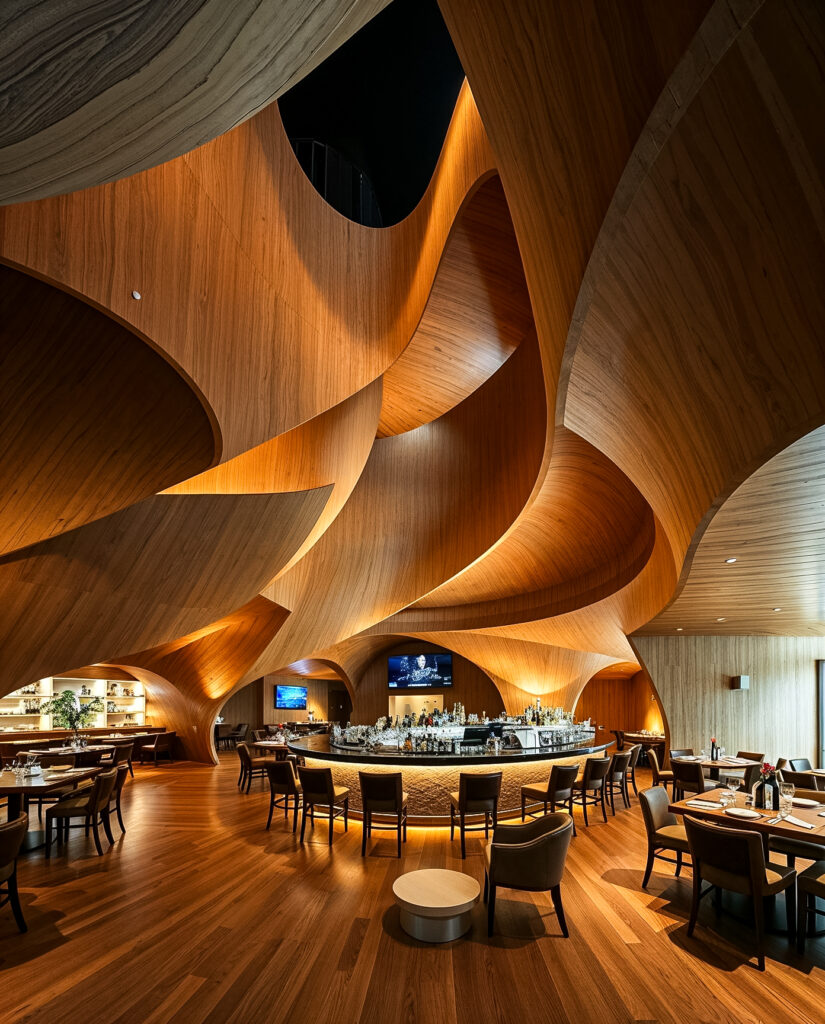
“Definitely. A project that captures this shift perfectly is Shoshin, a conceptual restaurant experience inspired by the Zen principle of “beginner’s mind.” It combined everything I’m passionate about—architecture, food, music, and digital art—into one cohesive brand vision. We brought it to life as a four-part film series for social platforms, exploring futuristic ideas of cuisine, atmosphere, and service. From interiors to culinary design to sound, every element worked in harmony. It became more than storytelling—it was an experiment in immersive worldbuilding.”
3. Which AI tools or software do you regularly use in your practice?
“We approach tools as an ecosystem, not a menu. For Shoshin, we used MidJourney and Leonardo.ai to establish visual tone, Firefly for refinements, Runway and Premiere Pro for cinematic motion, Photoshop for stills, Logic Pro and 11 Labs for sound and narration, and Perplexity.ai to shape scripts in the voice of the poet Basho. Each tool plays a role in a fluid, iterative process. It’s less about the technology itself and more about how these systems interact to create depth and coherence across disciplines.”
4. How has AI influenced your creative workflow and design decisions?
“AI has completely redefined my workflow. Iteration used to be a slow, linear process; now it’s dynamic and immediate. I can test ideas, reshape them, and watch concepts evolve in real time. Projects that once took months or felt too ambitious can now be realized in weeks. But it’s not just about speed. The bigger shift is confidence. Decisions feel more grounded because you can see and experience what you’re building as it takes form, not just imagine it abstractly. That immediacy changes everything.”
5. Do you have any AI tips or advice to share with the community?
“Be a generalist—at least at first. Pick a few tools and really learn them before chasing the next trend. The goal isn’t to collect software; it’s to create work that expands your creative vocabulary. And finish what you start. Even small projects build muscle. Technology will keep evolving, but your ability to explore, experiment, and refine is what will carry you forward. The tools will change, but curiosity and craftsmanship never go out of style.”
6. What is your perspective on the role of AI in architecture today (2025), and how do you see it shaping the future of the field?
“AI is doing much more than speeding up the process, it’s redefining authorship itself. We’re entering an era where a single creator can design and fabricate complex immersive environments that merge architecture, film, and sound. What amazes me is how quickly the tools evolve. Shoshin, which we made just a year ago, already feels “old school” compared to what’s possible now. It’s a thrilling time. The boundary between design and worldbuilding is dissolving, and that means fewer limits and far greater possibilities for architects and creators everywhere.”